The Monetary Impact of Electronic Waste Recycling: Jobs, Innovation, and Sustainable Development
E-waste recycling offers a wide range of economic benefits, influencing job creation and technological advancement. With the increasing global need for e-waste management, local communities can benefit from expanded employment and cutting-edge solutions. Moreover, this industry serves a critical function in advancing environmental sustainability. Yet, the intricacies of successful e-waste recycling highlight significant questions regarding policy backing and community participation. What strategies can enhance these efforts and maximize their impact?
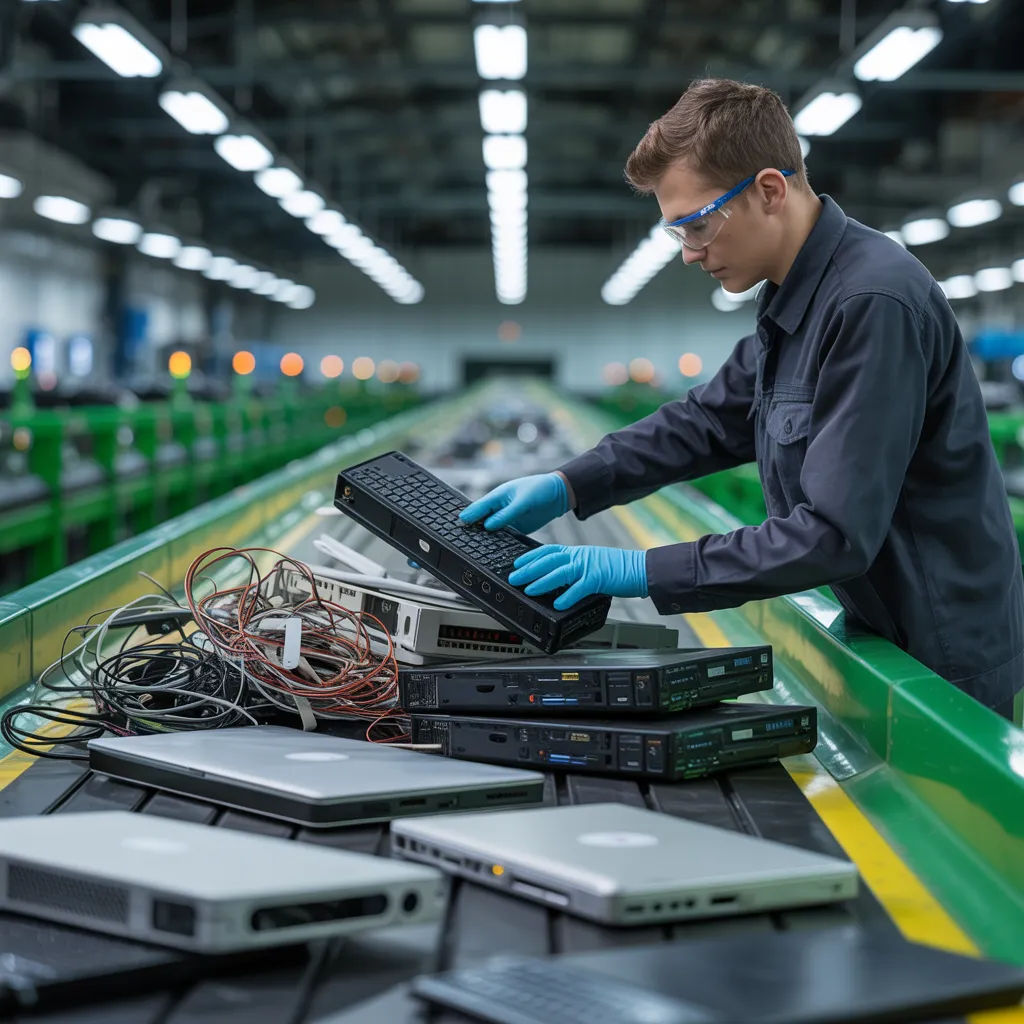
The Growing Challenge of Electronic Waste: Comprehending the Issue
With the rapid advancement of technology, the issue of electronic waste, commonly referred to as e-waste, has escalated into a significant global crisis. Millions of tons of disposed electronics, such as appliances, smartphones, and computers, are created each year, leading to the deterioration of the environment. Many consumers are unaware of the hazardous materials found within Full guide these devices, including cadmium, lead, and mercury, which can seep into the soil and water supply, presenting grave risks to public health.
The improper disposal of e-waste often leads to informal recycling practices, where unregulated workers break down equipment without proper safety precautions. This not only amplifies the health dangers but also weakens productive recycling endeavors. Globally, only a fraction of e-waste is recycled appropriately, highlighting a critical gap in awareness and infrastructure. Tackling this issue demands a unified effort from governments, industries, and consumers to advance responsible disposal practices and strengthen recycling infrastructure, ensuring a more sustainable future.
Economic Gains: How E-Waste Recycling Builds Job Opportunities
E-waste recycling makes a substantial impact on job creation, with statistics showing a rise in employment opportunities in this sector. It also fosters skill development, offering professionals critical skills in technology and environmental management. Furthermore, the expansion of recycling centers can boost local economies, attracting investment and advancing community progress.
Employment Generation Data
Electronic waste recycling is capable of creating thousands of jobs in multiple industries. A report from the Global e-Sustainability Initiative suggests that for each position created in e-waste recycling, at least 1.17 additional jobs are created in connected fields, such as logistics and manufacturing. Additionally, the U.S. Environmental Protection Agency forecasts that increasing recycling efforts could create approximately 1.17 million new jobs by 2030. Such roles span from collection and processing to refurbishing and reselling refurbished electronics. Beyond this, regional economies gain advantages as these positions frequently offer above-minimum-wage compensation while fostering community involvement. As a result, the e-waste recycling sector serves as a significant driver of employment, advancing eco-friendly initiatives while tackling environmental challenges.
Skill Development Opportunities
Engaging in e-waste recycling not only resolves environmental issues but also encourages considerable skill development prospects. The sector requires a broad range of capabilities, from technical expertise in dismantling electronic devices to knowledge of environmental regulations. Educational initiatives can provide workers with fundamental skills, boosting their career prospects in a growing industry. Furthermore, alliances with educational institutions can facilitate hands-on learning experiences, bridging the gap between classroom learning and practical application. As workers develop expertise in areas such as device maintenance, digital data restoration, and toxic substance management, they contribute to a more environmentally responsible economy. At its core, these workforce training programs uplift participants while driving the overall growth and progress within the e-waste processing field.
Local Economic Advancement
Processing e-waste not only enhances skill development but also stimulates local economic growth by generating a wide range of employment opportunities. The e-waste recycling industry requires a diverse workforce, including technical specialists and logistics professionals, thereby generating employment across various skill levels. Area enterprises profit from rising demand for services related to e-waste collection, processing, and resale of refurbished materials. This dynamic cultivates entrepreneurial spirit, as new companies emerge to cater to the growing needs of the sector. Moreover, the financial boost produces increased tax revenues for city administrations, allowing for renewed investment in public services. As the field develops, it promotes advancements in recycling methods, further enhancing local economic resilience and sustainability. Ultimately, e-waste recycling functions as a key engine for substantial community economic advancement.
Cutting-Edge Technologies Transforming E-Waste Recycling
Cutting-edge innovations are transforming the electronic waste management sector through sophisticated sorting methods and automated systems. These innovations enhance effectiveness and consistency in extracting precious resources from obsolete devices. Robotic integration continues to enhance procedures, minimizing operational costs and environmental consequences.
Superior Separation Methods
Revolutionizing the e-waste recycling industry, innovative separation technologies harness innovative technologies to precisely reclaim valuable materials from discarded electronics. Processes like hydrometallurgy, pyrometallurgy, and sophisticated mechanical methods enable recyclers to extract metals like gold, silver, and copper with remarkable exactness. In addition, the use of sensor-based sorting systems allows for the rapid identification of various materials, boosting the accuracy of separation. These technologies not only minimize waste but also considerably diminish the environmental impact associated with conventional recycling approaches. By optimizing the recovery of precious resources, advanced separation techniques support a circular economy, advancing sustainability and resource conservation. Ultimately, these developments enhance the economic viability of e-waste recycling, generating employment prospects while fostering innovation in the sector.
Automation and Robotics Integration
Integrating automation and robotics into e-waste management transforms the effectiveness and efficiency of materials reclamation. Automated solutions can quickly detect and categorize a wide range of materials, significantly minimizing manual labor and limiting human error. Sophisticated robotics powered by artificial intelligence elevate the accuracy of disassembling intricate devices, facilitating greater recovery rates of valuable components such as precious metals and circuit boards. This technological integration not only speeds up the material recycling process but also reduces operational costs, making e-waste recycling more cost-effective. Moreover, automation facilitates improved workplace safety by decreasing human exposure to hazardous materials. As these innovations progress, they are poised to drive progress in recycling approaches, promoting a highly sustainable framework to resource recovery and e-waste management.
The Role of E-Waste Recycling in Promoting Sustainability
As e-waste keeps building up around the world, the significance of recycling stands out as a essential solution for fostering environmental responsibility. E-waste recycling minimizes environmental harm by diverting hazardous materials from landfills, thereby limiting contamination of soil and water. By reclaiming valuable metals and components, recycling helps conserve natural resources, decreasing the need for virgin material extraction. This process not only cuts energy demands but also lessens greenhouse gas emissions associated with manufacturing new products.
Furthermore, e-waste recycling encourages a circular economy, supporting the recirculation of materials and increasing the lifespan of digital devices. This transition works to reduce the negative impacts of fast-paced technological advancement and consumerism. As companies and neighborhoods commit to e-waste recycling, they contribute to a more sustainable future, improving broader environmental well-being while promoting responsible consumption practices. Consequently, e-waste management remains a vital factor in the pursuit of sustainability in a technology-driven modern era.
How Policies Can Support E-Waste Recycling Initiatives
The achievement of e-waste recycling efforts relies heavily on the establishment of comprehensive policies. Governments are instrumental in creating regulatory structures that encourage the responsible management and recycling of electronic devices. Policies such as extended producer responsibility (EPR) can incentivize manufacturers to develop products with end-of-life recyclability as a priority, consequently decreasing the volume of e-waste produced. Furthermore, monetary incentives for recycling initiatives can reduce obstacles for consumers and organizations, fostering increased engagement in recycling programs.
Additionally, public awareness campaigns complemented by policy initiatives can help communities understand about the ecological and financial advantages of e-waste management and recycling. Developing defined standards for e-waste gathering and processing can boost operational efficiency and confirm that hazardous materials are handled safely. By creating a comprehensive policy landscape that champions responsible e-waste management, authorities can stimulate job creation, support breakthroughs in sustainable recycling methods, and promote environmentally responsible economic growth.
Community Efforts That Enhance E-Waste Recycling's Economic Impact
Community efforts considerably bolster the economic impact of e-waste recycling by encouraging neighborhood participation and understanding. Initiatives such as local collection campaigns and educational workshops not only inspire residents to recycle but also cultivate a sense of collective accountability. Neighborhood associations regularly team up with recycling firms, improving convenience and practicality for residents.
Furthermore, these locally organized endeavors can stimulate jobs, from collection and sorting to handling electronic waste. By championing eco-friendly methods, communities can invigorate regional economic growth while limiting environmental hazards resulting from improper waste handling.
Moreover, outreach efforts can foster innovation by raising awareness about cutting-edge recycling solutions, empowering local entrepreneurs to discover new business opportunities within the e-waste recycling space. Fundamentally, community engagement establishes a collaborative force, boosting the economic rewards of recycling e-waste and contributing to a sustainably focused future.
Frequently Asked Questions
Which Personal Devices Are Eligible as E-Waste for Recycling?
Common personal electronics that are considered e-waste for recycling consist of outdated smartphones, laptops, tablets, TVs, printers, and various other electronic gadgets. Furthermore, batteries and chargers fall under the category of e-waste and must be disposed of through responsible recycling.
What Steps Can Individuals Take to Properly Get Rid of Their E-Waste
Individuals can effectively manage e-waste by finding certified recycling facilities, participating in community collection events, or utilizing manufacturer take-back programs. Carrying out complete data wiping before discarding devices is vital for protecting sensitive personal data.
Do Health Risks Exist When It Comes to E-Waste?
Absolutely, e-waste presents significant health risks. Coming into contact with hazardous materials, such as lead and mercury, can lead to serious health issues, including pulmonary complications, nerve damage, and elevated cancer susceptibility, particularly for employees working in unsafe disposal conditions.
What Are the Environmental Impacts of Improper E-Waste Disposal?
Irresponsible e-waste disposal causes pollution of soil and water sources, threatening ecosystems. Harmful substances, such as heavy metals, infiltrate the environment, posing risks to wildlife and human health while contributing to broader ecological degradation.
How Can Companies Get Involved in E-Waste Recycling Programs?
Organizations can take part in electronic waste recycling efforts by collaborating with accredited recycling facilities, setting up equipment collection programs, educating employees and customers, and funding green innovations that encourage accountable e-waste disposal and the recovery of valuable resources from electronic devices.