Eco-Friendly Approaches: How E-Waste Recycling Services Are Preserving Our Planet
E-waste represents a considerable hazard to the environment, as abandoned electronic devices commonly carry harmful materials. These hazardous substances can contaminate soil and water, leading to broader ecological damage. Electronic waste recycling programs offer an effective remedy. They successfully retrieve useful resources while simultaneously minimizing environmental pollution. Comprehending the operation of these services and their influence on communities is of great importance. The journey towards effective e-waste management raises critical questions about individual responsibility and collective action. What measures can be pursued from this point onward?
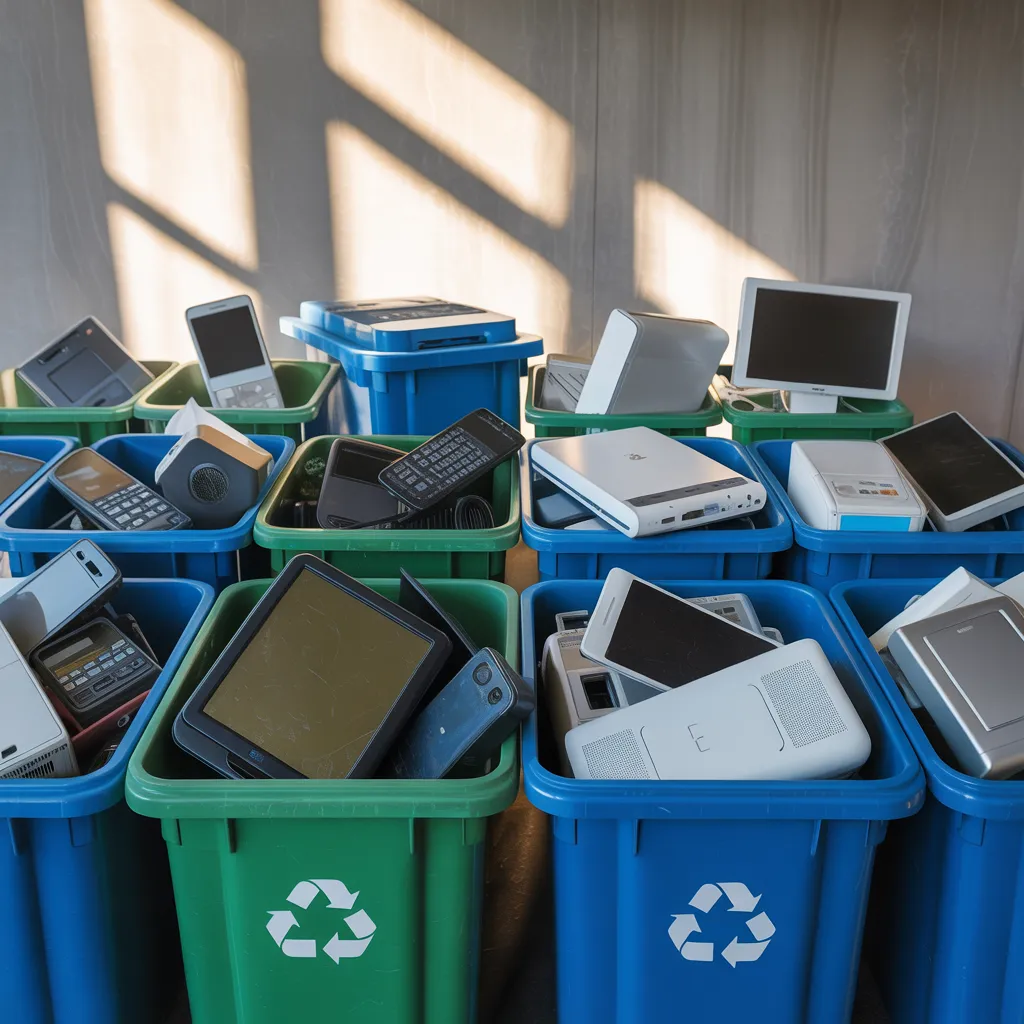
How E-Waste Is Hurting the Planet
Even though technology enhances modern life, e-waste poses considerable environmental hazards. Abandoned electronic gadgets, often containing toxic substances including mercury, lead, and cadmium, can leach toxins into soil and groundwater, posing risks to human health and ecosystems. The accelerating rate of technological innovation results in greater consumer replacement of electronic devices, worsening the buildup of e-waste.
Landfills, already strained by waste, are unable to keep up with the rising quantities of abandoned electronics. Incineration, another disposal method, releases harmful pollutants into the atmosphere, contributing to air quality degradation. In addition, improper recycling practices can lead to the exportation of e-waste to developing countries, where laborers may dismantle devices without adequate safety measures, exposing themselves to dangerous substances. This ongoing cycle of carelessness and inadequate management emphasizes the pressing necessity for responsible recycling initiatives that can lessen the harmful consequences of e-waste on our world.
What Is E-Waste and Its Importance?
E-waste, or electronic waste, includes obsolete electronic products including smartphones, computers, and televisions that have exceeded their operational lifespan. This increasingly prevalent form of waste is important owing to its accelerating volume, propelled by advances in technology and evolving consumer behaviors. As more devices become obsolete, the ecological consequences become more pronounced, with dangerous elements including lead, mercury, and cadmium threatening both ecosystems and public health.
The importance of addressing e-waste lies not only in mitigating these hazards but also in recognizing the valuable materials it contains. Precious metals and rare earth elements can be recovered and reused, reducing the need for mining and conserving natural resources. Through a deeper awareness of e-waste and its consequences, both individuals and organizations can make well-informed choices regarding disposal and recycling, thereby supporting a more sustainable future. Responsible management of e-waste plays a key role in supporting a circular economy and championing environmental stewardship.
How E-Waste Recycling Works
E-waste recycling entails a structured approach intended to extract beneficial components while limiting ecological damage. To begin, discarded electronics are retrieved and sent to specialized recycling facilities. Once there, the devices undergo thorough sorting to distinguish harmful elements from reusable resources.
Subsequently, technicians dismantle the items, separating metals, plastics, and glass. This step is critical, as it enables the retrieval of high-value metals like silver, gold, and copper, which can be recycled in new electronics.
Afterward, the divided materials are refined with state-of-the-art techniques, such as mechanical shredding and chemical processing, to cleanse them for repurposing.
Finally, the remaining hazardous materials are disposed of responsibly, following eco-friendly standards. This multi-step approach not only conserves resources but also reduces the dangers associated with improper e-waste disposal, ensuring a more sustainable future for the consumption of electronics.
Why E-Waste Recycling Matters for You and Your Community
Though many people are unaware, the benefits of e-waste recycling extend beyond personal convenience to positively impact entire communities. By responsibly disposing of electronic waste, individuals contribute to a healthier environment, minimizing hazardous materials that can contaminate soil and water. This responsible method helps preserve local ecosystems and supports public health.
Moreover, e-waste recycling promotes employment opportunities within local communities. Regional recycling centers frequently need staff for a range of functions, from collection to processing, therefore offering work opportunities within the community. This not only boosts the local economy but also fosters community involvement in eco-friendly practices.
Furthermore, knowledge about e-waste recycling may result in learning opportunities, empowering residents to make environmentally conscious decisions. By taking part in e-waste recycling programs, individuals foster a culture of sustainability, encouraging others to embrace similar practices. In summary, the cumulative impact of these actions can create a more sustainable and conscientious community.
Tips for Choosing an E-Waste Recycling Service
Selecting the best e-waste recycling service is essential for making sure that electronic refuse is managed responsibly and sustainably. Initially, individuals should verify the company's certifications, such as R2 or e-Stewards, which indicate adherence to established benchmarks for responsible recycling methods. It's also important to assess the company's reputation by reviewing feedback and obtaining advice from dependable sources.
Next, openness in the recycling process is crucial. A reliable service should offer detailed insights about the manner in which e-waste is managed and what happens to the materials. Furthermore, considering the scope of services provided can Read on prove valuable; certain providers may offer collection services or present rewards for recycling.
Finally, learning about area-specific requirements for e-waste disposal can further guide the selection process. By prioritizing these factors, people are able to support efficient electronic waste handling alongside encouraging sustainable environmental efforts.
How You Can Take Part in E-Waste Recycling?
Getting involved with e-waste recycling may begin at the local level, where local recycling facilities regularly supply essential services for safe disposal. Additionally, joining community awareness campaigns can enhance efforts to educate others about the importance of proper e-waste handling. These initiatives not only promote sustainability but also cultivate a collective sense of accountability for the environment.
Local Recycling Centers
Many local recycling centers play an essential role in the recycling of e-waste, providing communities with accessible options to discard electronic waste in an eco-friendly way. These centers accept a wide array of electronic items, including aging computers, cell phones, and television sets, ensuring that harmful materials are handled safely. Most centers are equipped with knowledgeable personnel who help individuals navigate appropriate disposal procedures, emphasizing the importance of recycling over landfilling. Furthermore, many centers offer drop-off events or designated collection days, making participation convenient for residents. By engaging with these local facilities, people help build a circular economy, lowering environmental harm and encouraging sustainable habits. Connecting with these stations enables communities to combat e-waste pollution successfully.
Public Awareness Initiatives
Nearby organizations, schools, and enterprises can partner to arrange initiatives that encourage e-waste collection drives. Dedicated participants can take a leading part in raising awareness, sharing informational resources, and connecting with local residents. Through these collective efforts, local inhabitants gain greater awareness and encouragement to properly recycle their e-waste, ultimately contributing to a more sustainable future.
Frequently Asked Questions
What Types of Electronics Can Be Recycled?
A wide range of electronics are able to be recycled, including computers, smartphones, televisions, laptops, gaming consoles, and printers. Additionally, ancillary devices such as batteries, keyboards, and mice are equally appropriate for recycling, supporting sustainable environmental practices.
Do Any Costs Come With E-Waste Recycling?
Indeed, e-waste recycling can include fees, depending on the service provider. Some facilities impose charges for pickup or handling, while some providers make services available at no charge, often subsidized by the proceeds from salvaged materials.
How Do Businesses Gain From E-Waste Recycling?
Businesses can benefit from e-waste recycling by reducing disposal costs, strengthening their ecological standing, adhering to regulatory requirements, extracting valuable resources, and potentially generating revenue through resale, ultimately contributing to a more sustainable operational strategy.
What Becomes of Data on Recycled Devices?
Details from recycled equipment is frequently irretrievably wiped or obliterated during processing. This ensures private details stays protected, stopping improper access while enabling resources to be reused carefully and ethically within new applications.
Is It Possible to Recycle Damaged Electronics?
Absolutely, defective electronics can be recycled. Several centers accept defective devices, ensuring responsible disposal and recovery of useful materials. Doing so helps lower harm to the environment while fostering sustainable recycling habits to manage e-waste properly.